
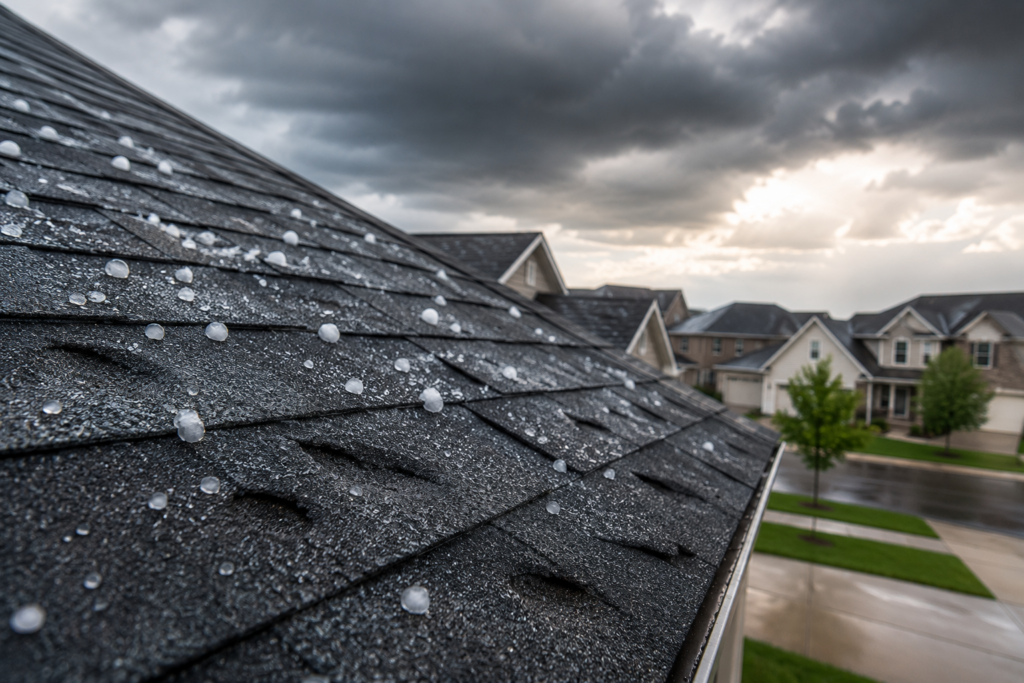
How to Detect Roof Hail Damage Before Your Insurance Deadline
If you’ve recently weathered a powerful hailstorm, it’s crucial to assess your roof as soon as possible. Not only can small issues escalate into costly repairs, but acting quickly is also vital for filing a successful hail damage insurance claim. Many homeowners miss out on coverage simply because they don’t spot hail damage on their roof until it’s too late. This comprehensive guide will show you how to spot hail damage, the early signs to watch for, how to perform a thorough roof hail damage inspection, and what steps to take so you don’t miss your insurance window.
—
Why Hail Damage Is a Big Deal for Your Roof
Hail might last only minutes, but its aftermath can linger for years, especially if unnoticed or ignored. Besides the visible destruction, hailstones can strip asphalt shingles of their protective granules, puncture roofing materials, and even weaken the structural integrity of your home.
Hail damage is notorious for being subtle at first. Minor bruises or cracks may not lead to leaks right away but can compromise your roof’s longevity. Furthermore, insurance companies typically require you to file a claim within a specific period after the event. Knowing how to spot hail damage early ensures you stay ahead of repair costs and insurance deadlines.
—
Common Hail Damage Signs on Different Roof Types
Not all roofs respond to hailstorms in the same way. Recognizing the unique signs across materials is vital for an effective inspection.
Asphalt Shingle Roofs
Most residential properties feature asphalt shingles. Here’s what you should look for:
– Granule Loss: One of the most frequent hail damage signs is the loss of granules on shingles. This may appear as dark, bare spots. Granules protect shingles from sun exposure and extend their lifespan.
– Bruising: Run your hand gently over the shingles. If you feel soft, spongy spots, these ‘bruises’ indicate that hail has damaged the shingle’s integrity.
– Cracking or Splitting: Check for visible cracks, especially on the edges of shingles.
– Exposed Fiberglass: Hail can break through the surface to the fiberglass mat below, showing up as white or shiny areas.
Metal Roofs
Metal roofs withstand hail better than many materials but still show damage:
– Dents and Dings: Even small hail can leave circular indentations.
– Scratches and Paint Damage: Hailstones may chip paint, which can accelerate rusting.
Tile and Slate Roofs
– Broken or Chipped Tiles: Look for cracked, chipped, or missing tiles.
– Impact Marks: Hail can leave round impact marks or soft spots.
Wood Shingle Roofs
– Splits or Cracks: Wood can split along the grain when impacted.
– Orange/Brown Marks: Fresh splits are usually orange or brown, indicating recent damage.
—
How to Spot Hail Damage on Your Roof: Step-by-Step Inspection
To catch problems before the insurance deadline, you’ll want to conduct a thorough hail damage roof inspection. Here’s a step-by-step approach you can follow safely:
1. Assess Your Property From the Ground
Before climbing a ladder, do a quick walk around your property.
– Check Gutters and Downspouts: Dents here often signal roof hail damage.
– Look at Siding and Windows: Cracks or impact marks may indicate the hail’s intensity.
– Inspect Decks, Fences, and Patio Furniture: If you see signs of hail hits here, your roof probably needs a closer look.
2. Examine the Roof Surface
Use caution: If you’re unsure or your roof is steep, consider hiring a professional inspector. If you proceed, always use a sturdy ladder and wear non-slip footwear.
– Scan for Bare Spots or Dark Areas: These suggest granule loss or shingle destruction.
– Run Your Hand Over the Shingles: Check for bruised, cracked, or soft patches.
– Inspect Shingle Edges: Look for curled, lifted, or missing pieces.
3. Check for Hidden Damage
Not all hail damage is obvious. Examine:
– Flashing and Vents: Metal roof features can show dents or cracks.
– Roof Valleys and Ridges: These spots take a direct hit from hail and are prone to damage.
– Chimney Caps and Skylights: Signs of impact here might be subtle, like tiny chips or cracks.
—
Inside the Home: Indirect Hail Damage Clues
Sometimes the first sign of a hail-affected roof is a problem inside your home.
Look For:
– Ceiling or Wall Stains: Water spots may indicate leaks from recent hail.
– Peeling Paint: This can signal moisture intrusion.
– Musty Odors: Damp smells could point to hidden leaks.
—
Roof Hail Damage Inspection: DIY or Professional?
While homeowners can spot obvious hail damage, getting a professional roof hail damage inspection has several advantages, especially if you’re considering a hail damage insurance claim.
– Detailed Documentation: Pros provide photographic evidence and thorough reports for your insurer.
– Spotting Hidden Issues: Trained eyes notice less-obvious issues that could jeopardize structural safety or insurance coverage.
– Insurance Advocacy: Reputable roofing inspectors can help explain findings to your adjuster for fair compensation.
—
Timelines: Don’t Miss Your Insurance Claim Window
Most insurance policies specify a deadline for reporting hail damage—often 6 to 12 months from the storm date. Delays can lead to denied claims, leaving you with repair bills. As soon as you notice hail damage signs, start the claims process.
Steps to Take:
1. Review Your Policy: Check the time limits and required documentation for hail damage claims.
2. Document the Damage: Take clear, date-stamped photos of all affected areas, both inside and out.
3. Schedule a Roof Inspection: If possible, get a written report from a licensed roofing contractor.
4. Contact Your Insurer Promptly: Report the damage and provide evidence. Fill out claim forms thoroughly.
—
What Happens During a Hail Damage Insurance Claim?
Filing a claim is more than just reporting the issue. Here’s a typical sequence:
1. Inspection by Adjuster: The insurance company will send an adjuster who’ll inspect your roof and property. It’s helpful to have your contractor present for advocacy.
2. Damage Assessment: The adjuster estimates costs for roof hail repair or replacement.
3. Claim Settlement: Once approved, the insurer issues payment (accounting for deductibles and policy limits).
4. Repairs and Final Inspection: Choose a contractor to complete the repair work.
—
Preventing Future Hail Damage
While you can’t control the weather, you can minimize future hail impact:
– Invest in Impact-Resistant Shingles: Class 4 asphalt shingles offer strong hail protection.
– Routine Roof Maintenance: Regular inspections help spot minor issues before they worsen after a hailstorm.
– Remove Overhanging Branches: Falling limbs during a storm can compound roof damage.
—
FAQs: Homeowners’ Common Concerns and Mistakes
What size hail causes roof damage?
Even hail as small as a dime can damage older roofing materials. Most significant damage occurs with hail one inch in diameter or larger.
Do I need to replace my entire roof?
Not always. Sometimes spot repairs suffice, but widespread damage may mean a full replacement is necessary for long-term protection.
Will my insurance premium increase after a hail claim?
Hail is considered an “act of nature” and generally won’t affect premiums the way at-fault accidents do, but it varies by region and insurer. Always ask your provider for details.
What if I miss the deadline for filing?
Delaying too long can result in your claim being denied. If you believe you have hail damage but are close to the deadline, contact your insurer as soon as possible.
—
Avoiding Costly Mistakes: Don’t Wait to Inspect
Procrastinating is the biggest mistake homeowners make after a storm. Small cracks or granule loss may not seem urgent, but they can let moisture into your roof, leading to mold, rot, and structural problems down the road. If insurance deadlines pass, repairs are solely your responsibility.
Early detection, quick documentation, and communication with your insurer are key to protecting your home’s value and your wallet.
—
Choosing the Right Roof Hail Repair Contractor
Not all repair professionals are equal. When seeking repairs after a hailstorm:
– Look for Local, Licensed Companies: Out-of-town “storm chasers” may do poor work and vanish afterward.
– Check Reviews and References: Reliable contractors have satisfied customers and are happy to share references.
– Demand Clear Estimates and Warranties: Get all work in writing, with materials and labor clearly specified.
—
Conclusion: Protect Your Investment by Acting Promptly
After a hailstorm, your home’s first line of defense is your roof. Knowing how to spot hail damage early ensures you don’t miss critical signs or insurance deadlines. By understanding the typical hail damage signs, inspecting all roof areas, documenting evidence thoroughly, and working with trusted professionals, you can secure proper hail damage roof repairs without unnecessary delays or out-of-pocket expenses.
Taking a proactive approach not only preserves your roof’s condition and your home’s safety, but it also positions you for a successful hail damage insurance claim—should you ever need it. Your vigilance today could save you thousands tomorrow. Don’t let hail leave you with regrets; inspect, act, and protect your home’s future.

