

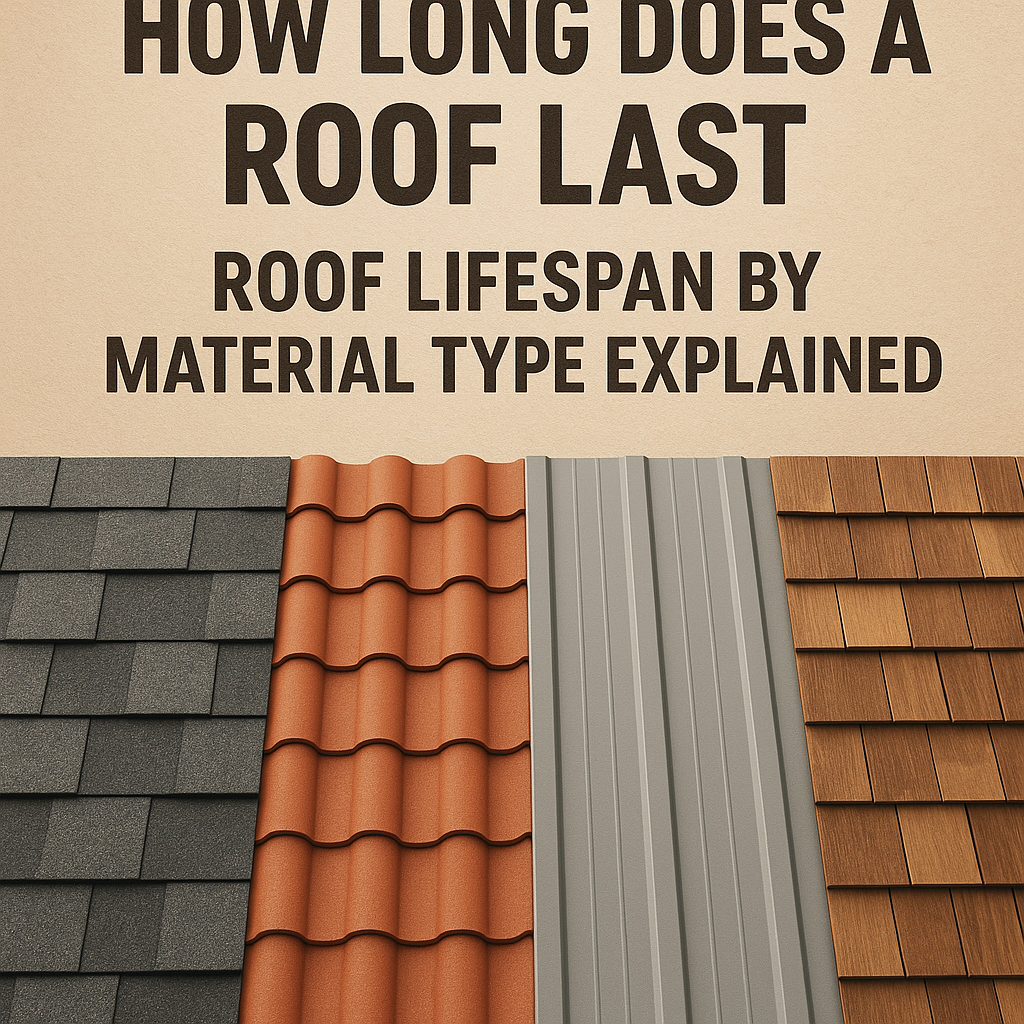
How Long Does a Roof Last? Exploring Roof Lifespan by Material Type
The integrity of your roof stands as your home’s first defense against the elements. Whether you’re considering a roof replacement or purchasing a new home, one crucial question likely comes to mind: how long does a roof last? The answer can vary significantly, largely depending on the roofing material you choose. Each type — from traditional asphalt shingles to advanced metal systems and enduring clay tiles — brings its own expected timeline. Understanding the average roof life for each material is an essential step in making informed decisions about repairs, replacements, and investments in your home’s future.
This article delves into how long roofs last by material, providing insight into common lifespans, what impacts these numbers, and signs it might be time for a new roof. Whether you’re interested in asphalt shingle lifespan, metal roof lifespan, tile roof lifespan, or just seeking general guidance, use this comprehensive guide to inform your next steps.
Roof Lifespan: The Basics
What Is the Average Roof Life?
The term “roof lifespan” refers to how long a roofing system can effectively protect your house before replacement becomes necessary. This period varies due to several factors including materials, climate, installation quality, and maintenance. On average, residential roofs last anywhere from 15 to over 100 years, depending on these variables.
Primary Factors Impacting Roof Longevity
Several elements influence the average roof life across material types:
– Material Quality: Higher quality products generally offer increased durability and protection.
– Installation Techniques: Poor installation can shorten any roof’s lifespan, regardless of material.
– Climate: Roofs in areas with harsh weather or dramatic temperature shifts may deteriorate faster.
– Maintenance: Regular inspections and repairs can extend roof life, while neglect accelerates failure.
Understanding these factors sets the stage for a deeper dive into specific materials and their respective lifespans.
Asphalt Shingles: The Popular Choice
What Is the Asphalt Shingle Lifespan?
Asphalt shingles are the most common roofing material in the United States, thanks to their affordability, ease of installation, and versatility. However, they are generally on the lower end of the roof lifespan spectrum.
– Three-Tab Asphalt Shingles: These traditional, flat shingles typically last 15 to 20 years.
– Architectural (Dimensional) Asphalt Shingles: Thicker and more durable than three-tabs, these can last 20 to 30 years, sometimes slightly longer under ideal conditions.
– Premium/Luxury Asphalt Shingles: High-end asphalt options can stretch to 25 to 40 years, though this is the exception rather than the rule.
Factors Affecting Shingle Longevity
– Climate Impact: Asphalt’s composition can break down faster in hot, sunny climates or with frequent freeze-thaw cycles.
– Maintenance: Cleaning gutters, replacing damaged shingles promptly, and ensuring proper attic ventilation can help.
– Quality of Installation: Proper underlayment, nailing, and flashing all matter.
Signs Your Asphalt Roof May Be Nearing the End
– Curling, cracking, or missing shingles
– Granule loss (check gutters for black grit)
– Areas of moss or algae growth
– Leaks or water stains in your attic or ceiling
Metal Roofs: Durability and Modern Appeal
Metal Roof Lifespan
Metal roofing has risen in popularity due to its impressive longevity and contemporary aesthetic. A primary selling point is its extended service life compared to many other materials.
– Standing Seam Metal Roofs: Typically last 40 to 70 years or more with proper installation and upkeep.
– Metal Shingles or Tiles: Offer similar durability to standing seam varieties.
What Affects Metal Roof Lifespan?
– Material Type: Aluminum and steel roofs last dozens of years, while copper and zinc roofs can exceed 70 to 100 years.
– Protective Coatings: Paint and electrolytic coatings help resist rust and corrosion.
– Weather Exposure: Severe hail or coastal salt air can hasten degradation but are less concerning than with organic materials.
Maintenance Tips for Metal Roofs
– Inspect fasteners and seams annually.
– Quickly address scratches or chipped coatings.
– Keep the surface free of debris and residue.
Common Metal Roof Problems
Though metal roofs are very robust, watch for:
– Rust spots and corrosion
– Loose panels or screws
– Dents from falling debris (especially in areas with large trees or hail storms)
Tile Roofs: The Beauty of Longevity
Tile Roof Lifespan Breakdown
Tile roofs, including clay and concrete types, are celebrated for their remarkable longevity and resistance to weathering.
– Clay Tile Roofs: Regularly surpass 50 years, with some lasting over 100 years under optimal conditions.
– Concrete Tile Roofs: Slightly less durable than clay, but still offer a roof lifespan of 40 to 75 years.
Key Considerations for Tile Roofing
– Weight: Tile is significantly heavier than other roofing options, requiring strong structural support.
– Installation: Properly installed underlayment is vital to prevent leaks. Individual broken tiles can often be replaced without full roof replacement.
– Weather Sensitivity: While excellent against fire and pests, tiles can break under impact (hail or fallen branches).
Maintenance for Tile Roofs
– Inspect for cracked or slipped tiles.
– Clean periodically to prevent moss or lichen growth.
– Ensure underlayment remains watertight over the years.
Indications of Tile Roof Age
– Routine leaks or water intrusion
– Widespread cracking or shifting tiles
– Faded, powdery surfaces indicating sun-related wear
Wood Shingles and Shakes: Natural Charm
Lifespan of Wood Roofing
Wooden roofs, made from cedar, redwood, or pine, offer a rustic, natural look. Their roof lifespan largely depends on the species of wood and climate conditions.
– Wood Shingles: Generally 20 to 30 years.
– Wood Shakes (thicker, hand-split): Slightly better at 30 to 40 years with diligent care.
Maximizing Wood Roof Lifespan
– Ventilation: Proper attic airflow combats moisture and decay.
– Regular Treatments: Apply preservative treatments to resist insects and fungus.
– Climate Suitability: Not recommended in very wet or fire-prone areas unless treated for fire-resistance.
Slate Roofs: The Pinnacle of Longevity
Slate Roof Lifespan
If ultimate roof longevity is your goal, slate roofing is difficult to beat. Made of natural stone, slate roof systems can last a century or more.
– Average Slate Roof Life: 75 to well over 100 years (some even longer).
Critical Aspects of Slate Roofs
– Weight and Structural Support: Requires robust framing.
– Repairability: Individual slates can be replaced.
– High Initial Cost: However, the lifespan more than compensates for the upfront investment.
Caring for Slate Roofs
– Inspect slates for cracks or slippage after major storms.
– Clear off moss, lichen, and heavy debris.
– Hire experienced slate roofers for any required repairs.
Other Materials: Flat Roofs, Synthetic Options, and More
Modified Bitumen, EPDM, and TPO (Flat Roofing)
For commercial buildings or modern homes with low-slope roofs, membrane roofing is common.
– Modified Bitumen: 10 to 20 years
– EPDM (Rubber): 15 to 25 years
– TPO/PVC: 15 to 30 years
Synthetic Roofing Materials
Newer synthetic options (such as polymer composites that mimic slate, shake, or tile) boast attractive warranties, generally 30 to 50 years on average.
Comparing Roof Lifespans at a Glance
| Roofing Material | Typical Lifespan (Years) |
|——————————-|:———————–:|
| 3-Tab Asphalt Shingles | 15-20 |
| Architectural Asphalt Shingles| 20-30 |
| Metal Roofs | 40-70+ |
| Clay Tile Roofs | 50-100+ |
| Concrete Tile Roofs | 40-75 |
| Wood Shakes/Shingles | 20-40 |
| Slate | 75-100+ |
| Modified Bitumen (Flat) | 10-20 |
| EPDM, TPO, PVC (Flat) | 15-30 |
| Synthetic (composite) | 30-50 |
Maximizing Your Roof’s Lifespan
No matter the material, proactive care can extend your roof’s useful life:
Maintenance Recommendations
– Inspect your roof twice yearly, especially after major storms.
– Clear debris, especially from gutters and valleys.
– Promptly replace missing, broken, or worn-out pieces.
– Ensure proper attic ventilation and insulation.
– Hire professional inspections every 2-3 years.
When Is Roof Replacement Necessary?
Beyond age alone, other signs signal it could be time for a new roof:
– Frequent leaks or ceiling stains
– Sagging or uneven rooflines
– Sudden energy bill increases (pointing to insulation or ventilation failures)
– Roof looks severely degraded compared to neighboring homes
Consult reputable roofing contractors for inspections. They can advise whether repairs or replacements are more cost effective.
Roof Warranty vs. Actual Lifespan
It’s important to note that a roof’s warranty period and its real-world lifespan can differ. Warranties (often 20 to 50 years) protect from manufacturing defects, but external conditions, installation quality, and ongoing maintenance ultimately determine how long your roof will truly last.
Making the Best Choice for Your Home
With this breakdown of how long roofs last based on material, you can make an informed decision that balances budget, aesthetics, and longevity. Asphalt shingles may offer cost efficiency with moderate durability, while metal, tile, and slate are investments in decades of protection.
Every roof eventually reaches the end of its service life. By understanding the expected roof lifespan for each type, recognizing signs of aging, and investing in preventive care, you protect both your home’s value and your peace of mind for the long haul.
—
In summary: Roofing material is the primary factor determining how long a roof will last, but regular maintenance and quality installation are equally important. Whether choosing asphalt for its affordability, metal for its resilience, tiles for their elegance, or slate for unmatched durability, equip yourself with the knowledge to maximize your investment and enjoy a safe, weather-tight home for years — or generations — to come.

